


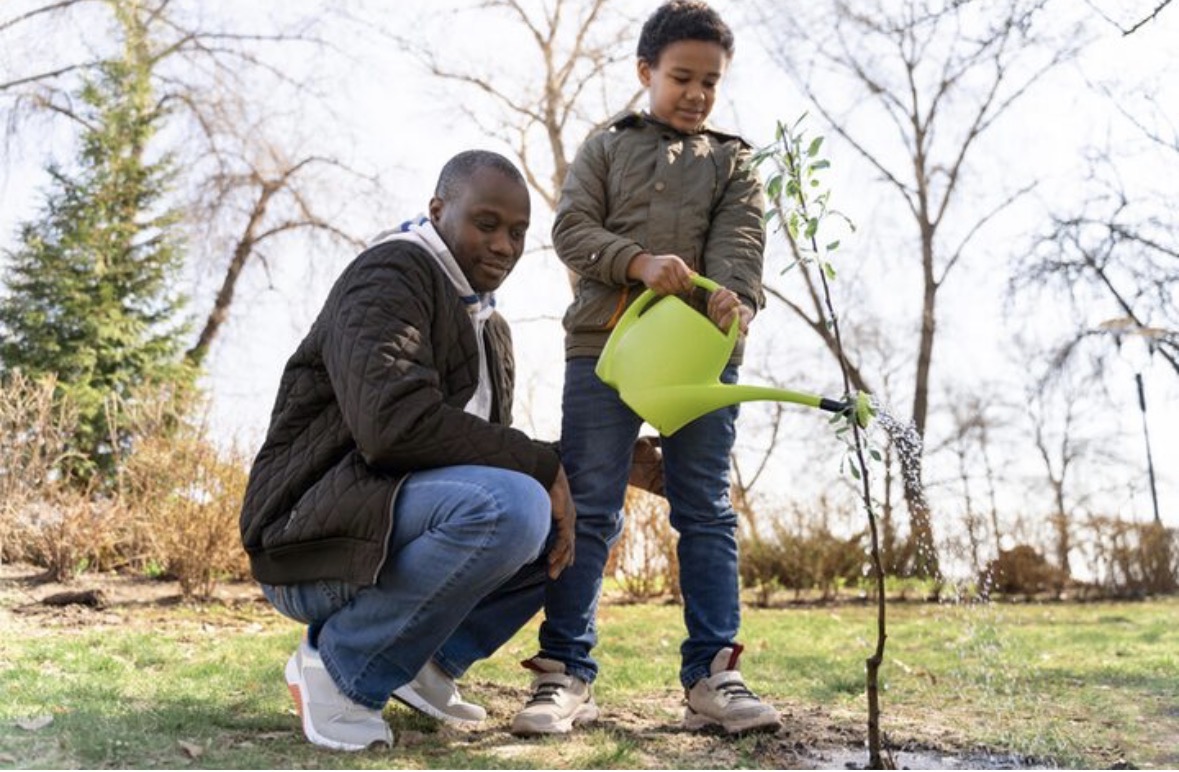
We tend to take trees for granted. They line our streets, shade our yards, and fade into the background of daily life until a storm knocks one down or a power bill spikes in the summer heat. Yet trees quietly do an enormous amount of work for us, from cleaning the air we breathe to lowering our energy costs and even improving our mental health. In a place like Florida, where the sun is relentless and the environment is under constant pressure, healthy trees are not just decoration. They are one of the most valuable natural resources we have.
Here is a closer look at what trees actually do for us, and why keeping them healthy is worth the effort.
Trees Are Working Even When We Are Not Watching
The environmental benefits of trees are easy to overlook because they happen silently and continuously. Through photosynthesis, trees absorb carbon dioxide and release the oxygen we depend on. A single mature tree can sequester a remarkable amount of carbon over its lifetime, making urban and suburban trees an important tool for reducing the effects of pollution and a warming climate.
Trees also filter airborne pollutants and trap dust and particulates on their leaves, improving local air quality. Their root systems stabilize soil and reduce erosion, which matters enormously in Florida, where heavy rains and sandy ground can wash away unprotected land. And they play a major role in managing stormwater, absorbing rainfall that would otherwise overwhelm drains and contribute to flooding. In short, a healthy tree canopy is part of a community’s basic infrastructure, even if it never shows up on a budget line.
The Everyday Payoff for Homeowners
Beyond the big-picture environmental role, trees deliver practical, personal benefits that Floridians feel directly. The most obvious is shade. A well-placed tree can dramatically reduce the amount of sun hitting your roof and walls, easing the load on your air conditioning during our long, hot summers and lowering your cooling costs. That cooling effect extends to whole neighborhoods, where tree-lined streets stay measurably cooler than bare ones.
Trees also add real financial value to a property. Mature, well-maintained trees improve curb appeal and are consistently linked to higher home values and faster sales. Of course, that value depends entirely on the trees being healthy and cared for. A neglected, overgrown, or damaged tree does the opposite, signaling deferred maintenance and even posing a risk. When a tree needs more than routine upkeep, a certified arborist can assess and treat it properly, which is why homeowners around Tampa often turn to Panorama Tree Care to keep their trees healthy and safe rather than letting them slowly decline into a liability.
Trees and Human Wellbeing
The benefits of trees are not only physical and financial. A growing body of research links time spent around trees and green spaces to real improvements in mental and emotional health. Being among trees has been associated with reduced stress, lower blood pressure, improved mood, and better focus and concentration.
Part of this is simply the calming effect of nature, but part of it is practical. Shaded parks and green streets encourage people to walk, exercise, and spend time outdoors, which benefits physical health too. Neighborhoods with abundant trees tend to feel more welcoming and connected, and residents often report a stronger sense of community. In a fast-paced, screen-heavy world, the simple presence of trees offers a quiet antidote that costs nothing to enjoy.
Why Healthy Trees Require Care
Here is the part people often miss: trees only deliver these benefits when they are healthy, and staying healthy is not automatic, especially in Florida’s demanding climate. Our long growing season, humidity, sandy soil, pests, and hurricane season all put stress on trees. A tree that is neglected can become diseased, structurally weak, or dangerous, turning an asset into a hazard.
Basic care goes a long way. Proper watering, correct mulching, and periodic pruning keep trees strong and well-structured. Watching for early warning signs, such as deadwood, a new lean, fungus at the base, or thinning in the canopy, allows small problems to be fixed before they become serious. And for anything beyond simple maintenance, a certified arborist can assess a tree’s health and safety far more accurately than an untrained eye. The goal is to help trees thrive for decades, so they can keep doing their quiet, valuable work.
Small Choices That Make a Difference
You do not need acres of land to contribute. A few thoughtful choices help trees and the environment at the same time:
- Plant the right tree in the right place, considering its mature size and how well it handles wind.
- Water young trees deeply so they establish strong, secure root systems.
- Mulch correctly, keeping a wide, shallow ring pulled back from the trunk.
- Avoid harmful practices like topping, which weakens trees and shortens their lives.
- Deal with problems early, and call a professional for anything involving large limbs, structural issues, or trees near your home.
Each of these keeps individual trees healthier, and healthy trees add up to healthier neighborhoods.
The Bottom Line
Trees are far more than scenery. They clean our air, cool our homes, manage stormwater, support our wellbeing, and add lasting value to our properties, all while asking very little in return. In Florida, where the environment tests them constantly, keeping trees healthy is one of the most worthwhile investments a homeowner or community can make. Give them a little care and attention, and they will keep giving back for generations.
