


Modern society places a high premium on a luminous smile. While professional bleaching treatments dominate the aesthetic landscape, everyday dietary habits quietly play an equally significant role in maintaining oral radiance. What individuals put on their plates directly interacts with their dental enamel, either contributing to persistent discoloration or actively combatting it. Embracing a strategic diet is not just about systemic health; it operates as a daily, microscopic maintenance routine for the mouth. Leading dental platforms like Dentprime frequently emphasize that preventive care and mindful consumption sit at the core of long-term dental vitality.
To grasp how certain edible items influence tooth shade, one must look at the physical and chemical interactions occurring during mastication. The outermost layer of the tooth, the enamel, is highly textured at a microscopic level and naturally develops a protein-based film called the pellicle layer. Pigments from dark berries, coffee, and wine easily bind to this sticky pellicle. However, specific fibrous food textures act as mild abrasives, physically disrupting this pigmented biofilm before it can fully set. Furthermore, chewing requires sustained effort, which inherently stimulates the salivary glands. Saliva functions as the mouth’s primary defense mechanism. It neutralizes highly acidic environments, washes away lingering food particles, and delivers essential minerals directly back to the tooth structure. A highly lubricated oral cavity is fundamentally less prone to the rapid accumulation of surface stains.
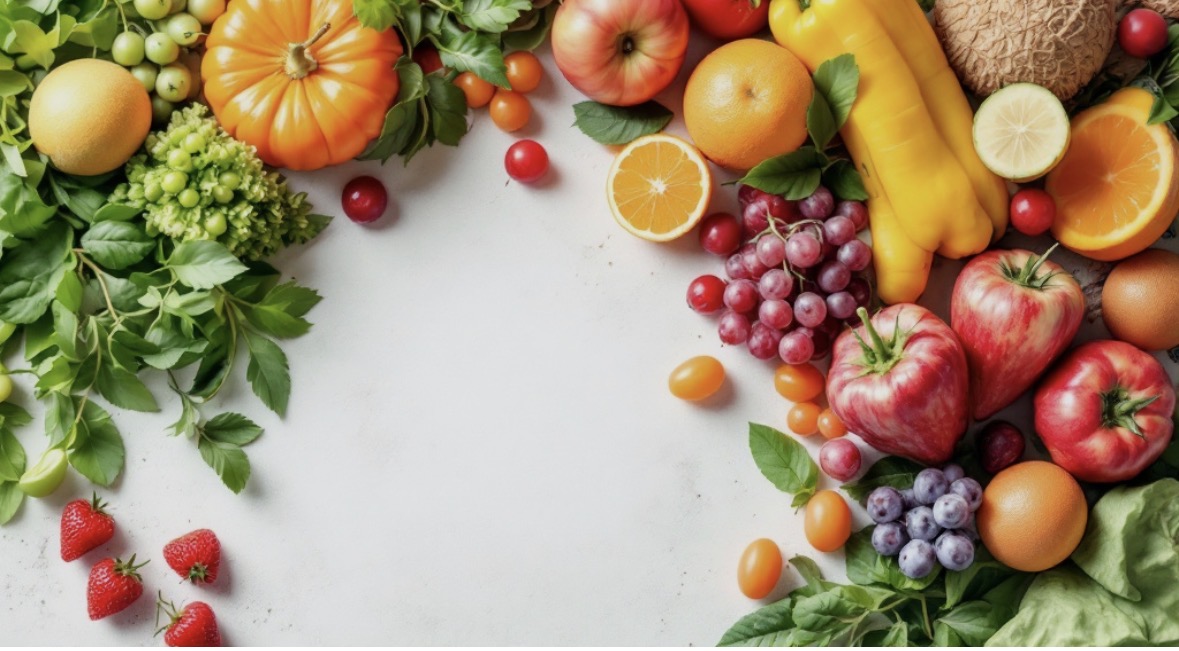
Firm, crisp fruits and vegetables are heavily championed by dental professionals for their mechanical cleaning properties. Apples, celery, and raw carrots require significant chewing action to break down. As these raw foods are pulverized in the mouth, their rigid, fibrous cellular walls lightly scrub against the surfaces of the teeth. This gentle friction mimics the action of a soft-bristled toothbrush, sweeping away newly deposited superficial stains. Celery, in particular, breaks down into fibrous strands that can occasionally dislodge debris resting between the interproximal spaces of the teeth. While eating an apple will never yield the dramatic, overnight results of a concentrated hydrogen peroxide gel, incorporating these crunchy items into a daily routine effectively prolongs the brightness of a recently cleaned smile.
Beyond simple mechanics, biochemical reactions also facilitate stain removal. Strawberries serve as a fascinating example of this phenomenon. Despite their rich, red hue—which logically seems like a staining liability—they contain high concentrations of malic acid. This organic compound is routinely utilized in over-the-counter whitening formulations because it acts as a natural astringent, helping to break down stubborn discoloration resting on the enamel. Similarly, pineapples offer unique enzymatic benefits. They remain the only natural source of bromelain, a proteolytic enzyme recognized for its powerful anti-inflammatory and cleansing properties. Research in restorative dentistry indicates that bromelain actively disrupts the sticky protein pellicle where external stains accumulate. By destabilizing this protein network, the enzyme makes it substantially harder for dark pigments from other meals to permanently adhere to the teeth.
Dairy products contribute to a lighter appearance through a slightly different biological mechanism. Hard cheeses, unsweetened yogurts, and milk are packed with calcium, phosphorus, and lactic acid. Lactic acid guards against the decay-causing bacteria that thrive in the mouth, while the heavy mineral content directly fortifies the enamel. When enamel becomes demineralized by acidic dietary choices, it grows porous and visually dull, allowing the yellowish underlying dentin to show through. Remineralization fills in these microscopic superficial gaps. A dense, highly mineralized enamel surface is significantly smoother, meaning it reflects light more uniformly. This increased light reflectivity visually registers as a brighter, whiter smile, proving that structural strength directly correlates with aesthetic appeal.
Of course, relying solely on grocery store produce has distinct limitations. Food-based interventions strictly address superficial, extrinsic staining and contribute to general surface maintenance. They cannot alter the intrinsic shade of the dentin or reverse deep-set trauma discoloration. When dietary modifications and routine cleanings fail to deliver the desired level of cosmetic enhancement, patients frequently turn to advanced restorative procedures. Deciding on the exact method for a permanent smile makeover often involves carefully weighing different restorative materials, prompting many to research porcelain vs composite veneers. These artificial restorations bypass the limitations of natural enamel entirely, providing an immediate, unalterable color upgrade that malic acid or fibrous vegetables simply cannot achieve.
Cultivating a diet rich in crisp vegetables, enzyme-heavy fruits, and mineral-dense dairy offers a sustainable, non-invasive method for preserving dental aesthetics. This nutritional strategy seamlessly blends preventive oral hygiene with mild, natural stain management. Brushing and flossing remain non-negotiable daily requirements, but smart dietary choices act as a constant, underlying support system. Treating the kitchen as an extension of the oral care routine empowers individuals to actively protect their enamel throughout the day, ensuring their teeth remain as structurally sound as they are visually striking.
